We exist as an antidote to the immediate. Better Books and Garments is an editorial experiment where the texture of considered prose meets the slow craft of natural, enduring fibres. What you read and what you wear are both acts of quiet architecture.
A publication on the unhurried life — what we read, what we wear, and how we inhabit both.
Inaugural IssueWe begin with a premise the modern web will not willingly accept: that reading is an intensely physical act. The weight of heavy rag paper resting against the fingertips. The faint, comforting aroma of linen thread stitching. The coarse texture of an undyed wool sleeve brushing against the polished edge of a mahogany desk. These are not peripheral to the text. They are its fundamental architecture — the climate in which an idea is received.
Our Shetland wool is left entirely undyed — the colour is weather and lanolin, the sheep's own insulation against the North Atlantic.
The web demands that you skim, swipe, and digest without feeling. Better Books and Garments asks instead for friction. We publish volumes printed on vellum-toned, acid-free sheets with deckle edges — books that demand slow, repetitive engagement. Our garments are cut with generous ease, providing zero tension as you hold a spine open or write in the margins. The coat is designed to read in.
The ruled column running alongside this essay references Renaissance folios — designed explicitly to hold your hand-inked annotations.
"To read closely is to dress with absolute intention. Both are ways of declaring that we refuse to rush."
The accent rule is the precise tone of iron gall ink as it cures on handmade cotton paper — a colour that belongs to scholarship.
We hold no inventory of transient trends. Each garment is drafted, cut, and sewn in small workspaces in London and Somerset. We refer to our garments by their weight, provenance, and thread structure before the price is even uttered. Likewise, we treat our books as architectural objects — not merely containers for concepts, but monuments of tactile durability, designed to look more dignified as age yellows their margins.
We print twice a year. Garments are finished to order in runs of single digits, each numbered with a hand-sewn cotton label.
"A garment for reading must ask nothing of the body. It must let the mind go entirely elsewhere."
We do not offer catalogues; we offer single instances of deep consideration. The objects below are Volume I.
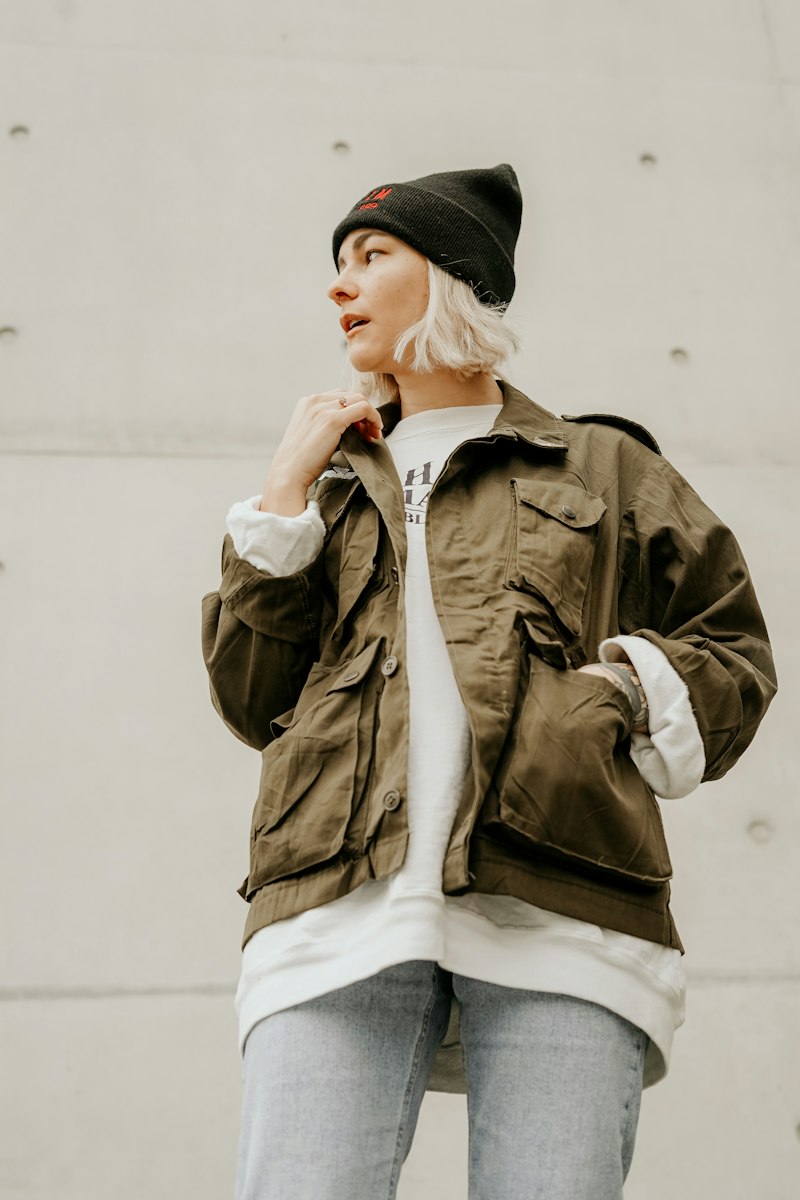
Woven in Yorkshire from undyed Shetland fleece. Cut generously to hang over dense knits. Internal pockets tailored specifically to accommodate octavo volumes.
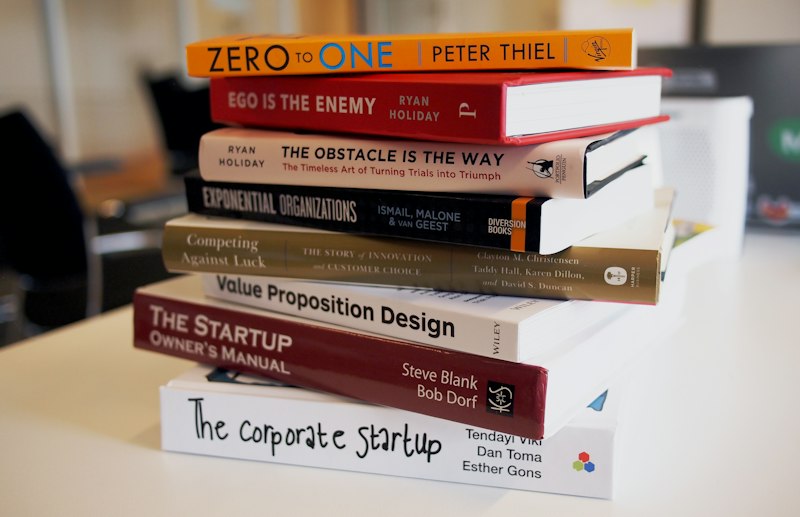
Hand-bound in heavy Italian vellum with deckle edges. Re-typeset in Cormorant Garamond. Wide outer margins left completely blank to accept your annotations.
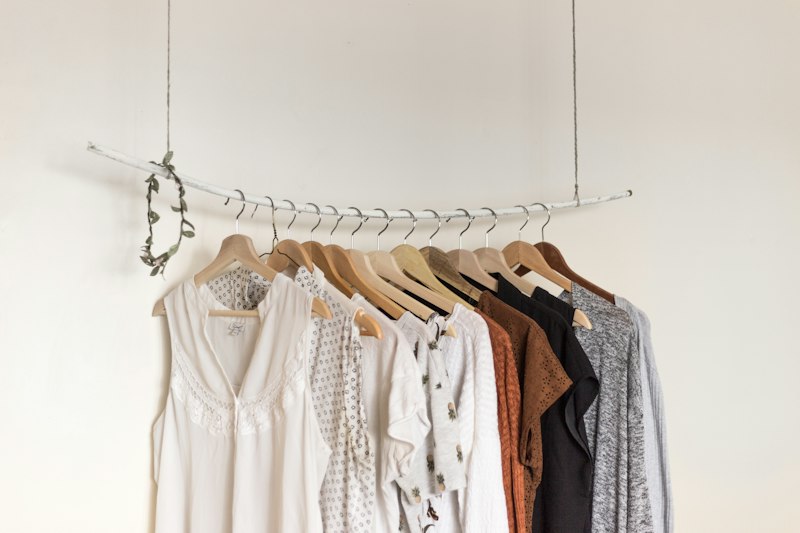
Dense washed Belgian linen that grows softer with every library hour. Dropped shoulders, flat zero-tension seams, and a single chest pocket for a pen and a stub of pencil.
We believe an idea is received differently depending on the climate of the room — and the climate of the body. To honour this, we offer our Shetland Greatcoat paired with a hand-numbered copy of Essays on Solitude. Together, they provide a physical and intellectual refuge.
Shetland Isles pure wool / Somerset-bound acid-free paper. Ships together in a linen-wrapped storage box. Each numbered in sequence.
You save $25 against individual acquisition.
Each spine is sewn by hand using cold-pressed linen thread and organic beeswax. This ensures the book rests completely flat of its own weight on the desk, relieving pressure from the reader's hands. The coat's internal pocket is cut to this volume's exact dimensions.
We do not send digital circulars. Twice annually, we print a physical bulletin exploring literature and textile provenance, delivered directly to your home address.
You have not earmarked any objects for acquisition yet.
Acquisitions are treated as custom requests. Our Somerset workshop will contact you to confirm sizing and fabric availability.